
Extras
Myofascial cupping
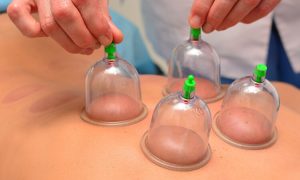
Myofascial cupping is a form of trigger point therapy and myofascial release. This therapy is a combination of massage and stretching techniques with the use of pressurised cups. Soft tissue is suctioned inside the cups, allowing for fluid movement and nutrient supply to the tissues. The movement of fluid detoxifies, stimulates, and increases range of motion. The ultimate goal of this treatment is to promote an individual’s health by loosening soft tissue and increasing circulation.
Basics
A myofascial cupping treatment starts with palpation and massage to locate target areas. Once target areas are located, cups are placed on them and engaged so a negative pressure is created inside them. The negative pressure lifts and separates the soft tissue. Balms or creams are then used to move the cups along the affected areas. This process pulls fresh oxygen and nutrient enriched blood along as the cups move. Sometimes the cups may be used in a stationary method, this is all dependant on the client and the desired outcome.
Stretching the muscles and tissues during the myofascial cupping session helps to return movement to tight or painful areas. Also, by focusing in on these areas using trigger point therapy, a more comprehensive feeling of relief can often be achieved. Combining all of the techniques of myofascial cupping can help those with tight, lumpy shoulder muscles caused by everyday stress, as well as injured athletes. NB Some minor bruising and/or discolouration of the skin is common but short lasting, the depth of the colour is not an indication of the success of the treatment as each client will respond differently from little to no residual marks to darker more bruise like appearances.
Benefits
The detoxifying, stimulating, and nourishing properties of myofascial cupping are found to work wonders for the treatment of scar tissue, stretch marks, and adhesions. The treatment also helps to prevent these issues and increase range of motion in burn victims.
Cupping therapy in itself improves circulation and aids in draining lymph fluid. Those who are dealing with injury or post-surgery issues can benefit from the clearing of old residue, blood, and solidified lymph. These fluids are flushed from the muscle and soft tissue through this type of therapy.
Dry Needling
Introduction
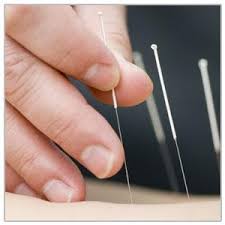
Dry needling can have transformative effects on patients grappling with various musculoskeletal issues. This method, which entails inserting a tiny needle precisely into particular muscle groups, has drawn a lot of interest due to its ability to reduce discomfort and improve mobility.
Understanding Dry Needling
Myofascial trigger points, often known as muscle knots, are the focus of dry needling. These sites can restrict movement and are frequently the epicentres of muscular pain. Dry needling is founded on contemporary Western medical ideas, with an emphasis on anatomical and neurophysiological theories.
The Science Behind Myofascial Trigger Points
Prolonged muscle contraction can result in myofascial trigger points, which cause pain,
tension, and tightness. These can be brought on by a number of things, such as trauma, stress, or even dietary inadequacies.
How Dry Needling Works
By putting a needle into a trigger point, dry needling can cause a reflex that relaxes the muscle. In addition to reducing discomfort, this procedure increases blood flow, giving the afflicted area vital nutrients and oxygen.
When to Consider Dry Needling
For a variety of ailments, including fibromyalgia, sports injuries, muscular injuries, and
chronic pain, we could suggest dry needling. However, because the intrusive nature of the
procedure, it is imperative that you obtain treatment from a qualified professional.
Patient Experiences During Treatment
A range of sensations, from a tiny prick to a muscle twitch, may be experienced by patients,
signifying an effective reaction. Although bruising or discomfort are frequent side effects,
they typically resolve quickly.
Safety and Post-Treatment Care
Dry needling is generally safe, but like any treatment, it can have side effects. Patients are
advised to avoid strenuous activities immediately after treatment to maximise the benefits. Most symptoms dissipate within 24 to 48 hours.
Conditions Benefited by Dry Needling
Dry needling can be effective for a range of conditions, including:
- Back pain
- Neck pain
- Shoulder pain
- Knee pain
- Sciatica
- Headaches
- Elbow pain
- Muscle injury
A thorough assessment by a healthcare professional is essential to determine its suitability.
In Conclusion
A method that has been supported by science, dry needling is very beneficial for treating
musculoskeletal pain and dysfunction. I firmly believe that it should be used as part of an all-
encompassing treatment plan.
Sports strapping / taping
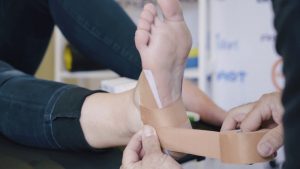
Effective sports taping is an acquired skill that is developed through training, over time and repetition. Incorrectly applied tape can be more detrimental than no tape at all. There are a few key things to remember when applying taping to joints or the skin.
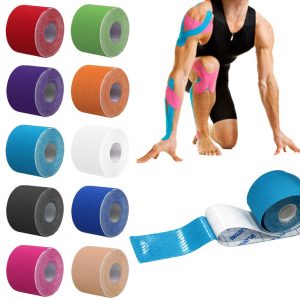
Different issues/injuries require different methods and types of tape. For example: To restrict movement or support a recovering joint I generally use rigid tape, however, if you are looking to support muscle recovery post injury then kinesiology or active tape is a preferred option.
When applying any type of tape I will first ensure that there are no known allergies / reactions to tape as these can range from minor irritations to swelling and blistering of the skin. It is also important to ensure minimal to no creasing along with minimal to no gaps where skin can swell when applying tape as this may lead to increased chances of the tape cutting the skin. It is just as important to ensure that the tape is applied neither too tight (resulting in discomfort or restriction to the client) or too loose (not performing the required function) as either can be detrimental to overall performance.
Often clients who are accustomed to being taped may have a preferred method that works
for them, provided it is not going to be detrimental to performance or personal wellbeing I am happy to work with you to achieve the best outcome.
Balms and oils
I use a range of balms and oils (both plain/unscented and infused with essential
oils) to all clients. Clients can choose a scent that they connect with to optimise their
experience.
* Balms are almond based so please advise if you have any nut allergies
Rebound
(sports massage)- One hour sports massage
- 30 min massage $70
- 45 min massage $90
Recover
(remedial massage)- One hour remedial massage
- 45 min massage $90
- Private health fund rebates may apply
Relax
(relaxation massage)- One hour relaxation massage
- 45 min massage $90
Sports Taping
(rigid or K tape)- 15 min appointment includes consultation $20 + $10 per joint for taping. Capped at 5 joints
Mobile Service
Mobile service is available at an additional cost, however no health fund rebate available on mobile services. Please message me for more information.